
Concept Map: Plan Your Research
Learning Outcomes
A concept map helps you build on what you know, create new connections, and organize your research. After using this tutorial, you will be able to define concept mapping and create one for your research.
Video Tutorial
How to Make a Visual Concept Map
Step 1
Begin by putting your topic in a center bubble.

Step 2
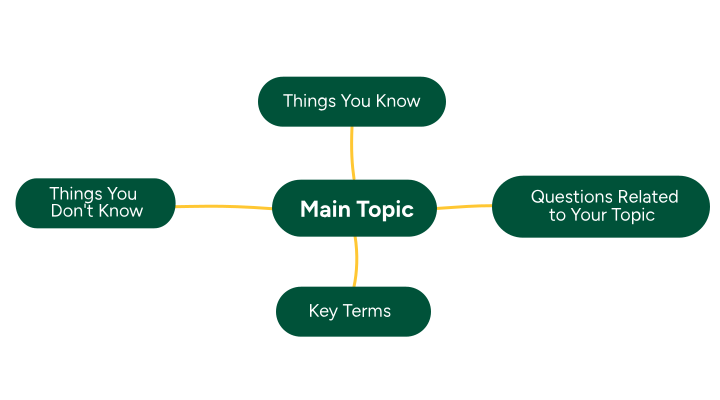
Then, branch off of your main point to other connected sections. One way to organize this is to divide sections by things you know, things you do not know, key terms, and questions you have.
Step 3
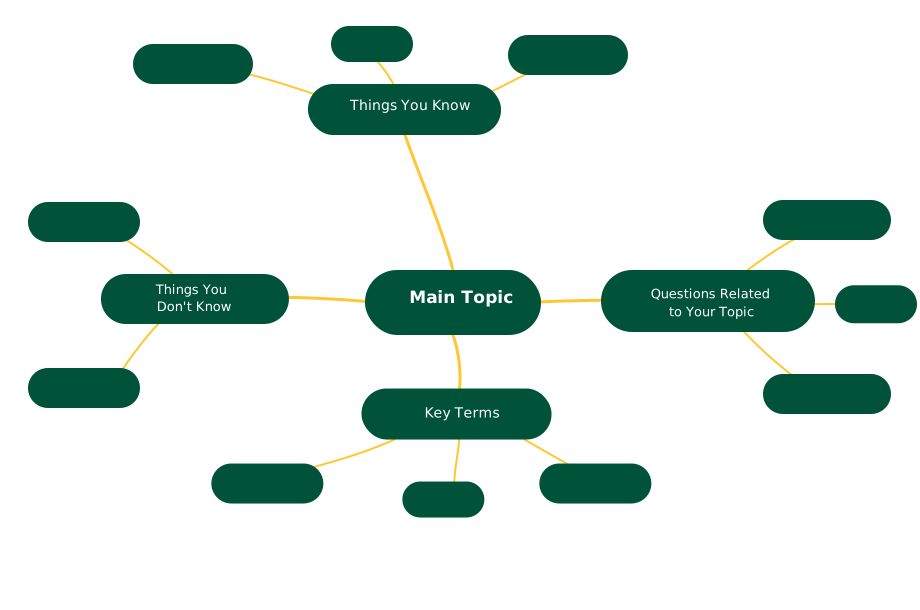
Continue to branch off from your bubbles and add connected thoughts. Branch off from these as much as you are able to make your map complete!
Sample Visual Concept Map
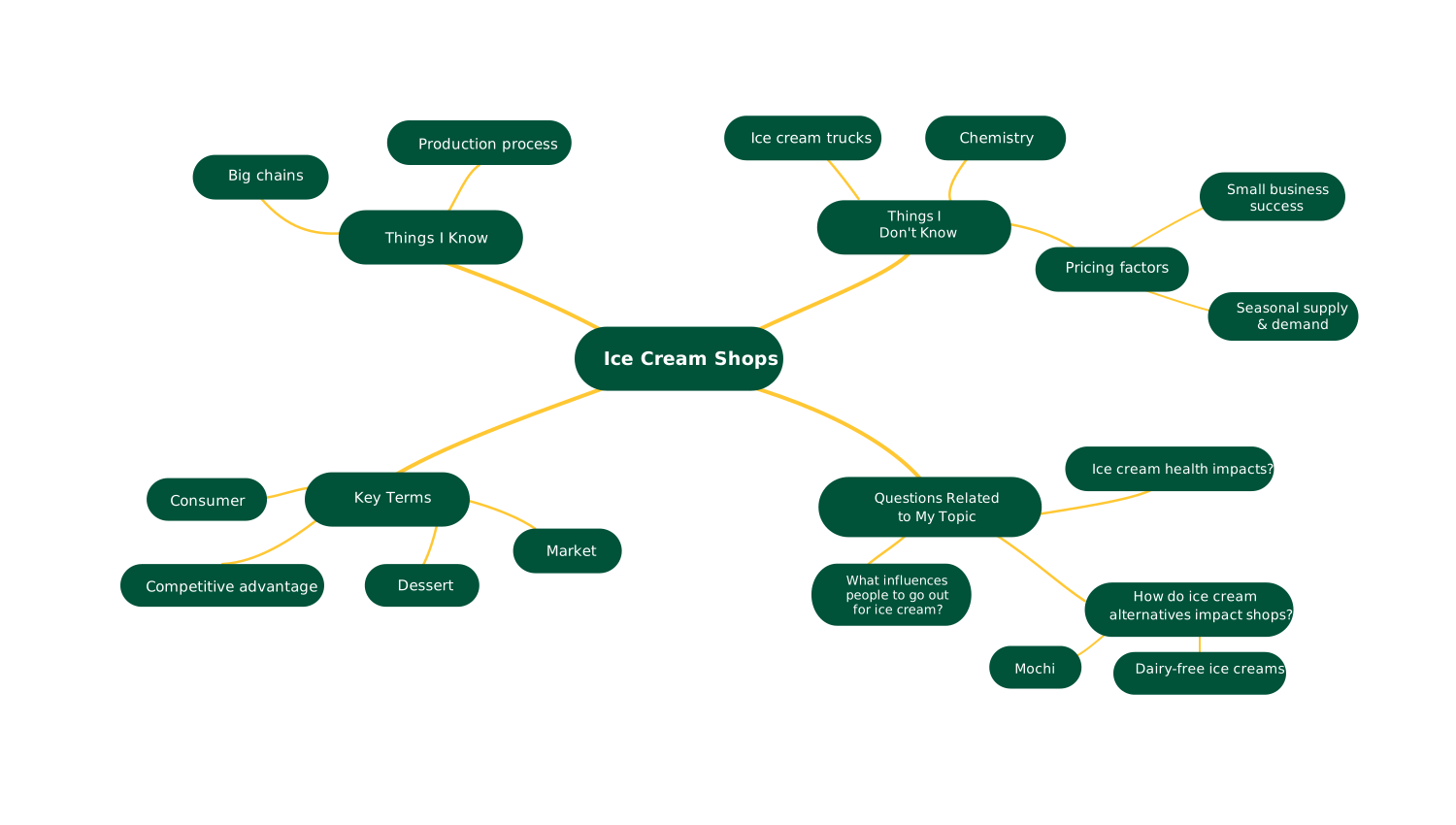
A student who has worked in ice cream shops before and is very familiar with the steps of making ice cream is interested in doing a research project on ice cream businesses and made this visual concept map to brainstorm.
How to Make a Word-Based Concept Map
Step 1
Write your topic at the top of the page.
Step 2
Then, list out other connected sections of your concept map as outline headers. One way to organize this is to divide sections by things you know, things you do not know, key terms, and questions you have.
Step 3
Underneath each header of your outline, add more connected thoughts. Branch off from these as much as you are able to make your map complete!
Sample Word-Based Concept Map
A student who has worked in ice cream shops before and is very familiar with the steps of making ice cream is interested in doing a research project on ice cream businesses and made this word-based concept map to brainstorm.
Ice Cream Shops
- I. Things I Know
- A. Big chains
- B. Production process
- II. Things I Don't Know
- A. Chemistry
- B. Ice cream trucks
- C. Pricing factors
- Seasonal supply & demand
- Small business success
- III. Questions Related to My Topic
- A. Ice cream health impacts?
- B. What influences people to go out for ice cream?
- C. How do ice cream alternatives impact shops?
- Dairy-free ice creams
- Mochi
- IV. Key Terms
- A. Market
- B. Consumer
- C. Competitive advantage
- D. Dessert
More Resources
To find articles and other resources in your discipline, browse your subject guide. If you have questions or need more help, review our other tutorials on research basics or reach out to us through Ask a Librarian.